Fia Facial Ozone Treatment Method
A short-duration ozone priming platform designed to improve cosmetic adhesion, reduce greasy feel, support better topical absorption, and open new treatment and product opportunities across beauty, skincare, spa, and selected medical-use channels.
The Fia platform is positioned as both a consumer beauty innovation and a licensable device-and-method IP story. The core concept is simple: prime the skin in a substantially sealed system, then apply cosmetics, creams, or topical products while the surface-energy effect is active.
Aligned with fast-growing beauty and skin treatment demand
Fia sits at the intersection of beauty tech, acne management, product absorption, and non-invasive facial treatment trends.
Priming skin before product application
The Fia method is built around delivering ozone generated from ambient air into a substantially sealed chamber or mask for a short treatment interval. The disclosed method describes priming for about 10 to 35 seconds, then applying cosmetics or topical products within about 3 minutes while the surface-energy benefit remains active.
That architecture supports several differentiators: a sealing membrane around the treatment area, recirculation to increase efficiency, and filtration or absorption features to help manage residual ozone after use.
Value benefits for licensees and product partners
Fia is not just a device concept. It is a platform that can upgrade existing products, create premium treatment services, and extend into new channel partnerships.
Upgrade current beauty products
Add a pre-treatment step that can make foundations, primers, lotions, skincare creams, and select topical products feel more effective and more differentiated.
Create new service revenue
Spas, med spas, beauty clinics, and facial treatment providers can package ozone priming into premium add-on or bundled treatment menus.
Build stronger consumer stories
Supports narratives around longer wear, less oiliness, smoother finish, faster absorption, and a cleaner-feeling makeup or skincare routine.
Expand beyond cosmetics
The patent materials also point to adhesion and absorption opportunities for medical tapes, bandages, ointments, sunblock, and other topical-use categories.
Proof points that strengthen the licensing story
Beta testing results
Independent beta testing reported 100% of testers experienced increased makeup longevity, with an average increase of 4 hours, and 96% said the product was easy and quick to use.
Oil-control feedback
81% of testers with oily or combination skin reported less oiliness at the end of the day.
Topical absorption study
A small proof-of-concept absorption study showed the treated side outperformed control at tape strip 8, supporting the broader absorption narrative.
Dermatology case support
An ozone therapy acne conglobata case report described reduction in lesions, pain, drainage, and improved quality of life over the treatment period.
“My moisturizer soaked into my skin right way & I was able to apply my foundation immediately. My foundation seemed to glide over my skin better.”
“My makeup stayed on so much better. I never had to reapply.”
“Everything stayed in place, even my red lipstick!”
Where Fia can fit commercially
The IP can support direct-device licensing, brand integration, OEM partnerships, treatment protocols, or category-specific attachments.
Beauty brands
Pre-makeup priming systems, upgraded foundation routines, long-wear claims support, and premium bundle kits.
Cosmetics companies
Integrated brush, wand, or cartridge concepts tied to foundation, concealer, lipstick, brow, or lash products.
Skin treatment clinics
Facial-prep treatments, oily-skin management packages, and acne-support service offerings.
Spas and med spas
Fast add-on treatment menus designed to improve skin feel, product absorption, and client-perceived results.
Beauty devices
Tabletop or portable appliance companies looking for differentiated ozone-enabled beauty tech.
Facial treatment providers
Complementary protocol for makeup prep, treatment finish, or post-facial product application.
Medical-adjacent channels
Potential use cases around topical absorption and improved adherence of certain bandages or tapes.
Personal care OEMs
Licensing or co-development path for multi-attachment platforms serving face, lips, nails, or hair-adjacent applications.
Current and future product pathways
Current product concepts
Future line extensions
How Fia compares with alternative facial treatment approaches
The goal is not to replace every treatment. It is to offer a simpler, fast-use, device-enabled platform with a different benefit stack and licensing angle.
| Approach | Primary user promise | Typical tradeoffs | Where Fia stands apart |
|---|---|---|---|
| Silicone or chemical primers | Blur texture and improve makeup wear. | Adds another product layer and may not address absorption or treatment-device differentiation. | Device-led priming method instead of another cream or formula alone. |
| Laser / light-based facial treatments | Resurfacing, tone correction, acne support, collagen stimulation. | Higher cost, more operator intensity, more downtime or treatment complexity. | Fast, short-duration pre-application workflow with broader consumer-device potential. |
| Chemical peels and exfoliation systems | Improve texture, brightness, and smoothness. | Can cause irritation, recovery time, and less obvious fit for daily use. | Designed for repeatable routine use and immediate pairing with cosmetics or skincare. |
| Retinoids, acne topicals, and prescription regimens | Treat acne and improve skin appearance over time. | Can involve irritation, adherence issues, or longer timelines to visible results. | Can be positioned as a complementary device pathway around topical application and skin-prep experience. |
| High-frequency / plasma-inspired home devices | Oil control, acne support, rejuvenation messaging. | Crowded category and uneven IP differentiation. | Patent-backed sealed-chamber priming method with recirculation and explicit cosmetic-application workflow. |
| Fia Facial Ozone Treatment Method | Longer-wear makeup, less greasy feel, smoother finish, better topical absorption, expandable to clinic and product integration use cases. | Requires hardware implementation and careful positioning of product claims by channel. | Combines a device story, protocol story, and licensing story in one platform. |
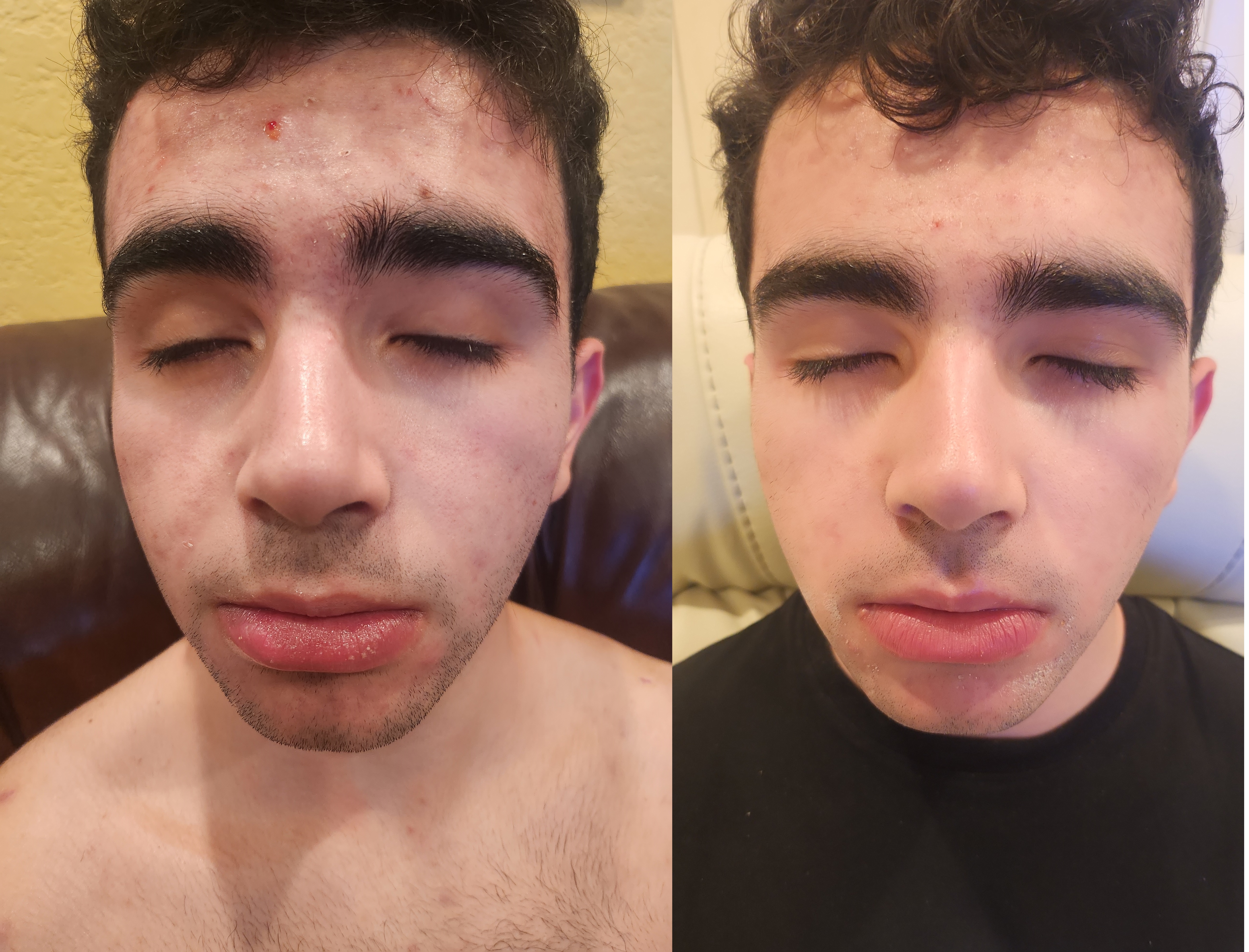
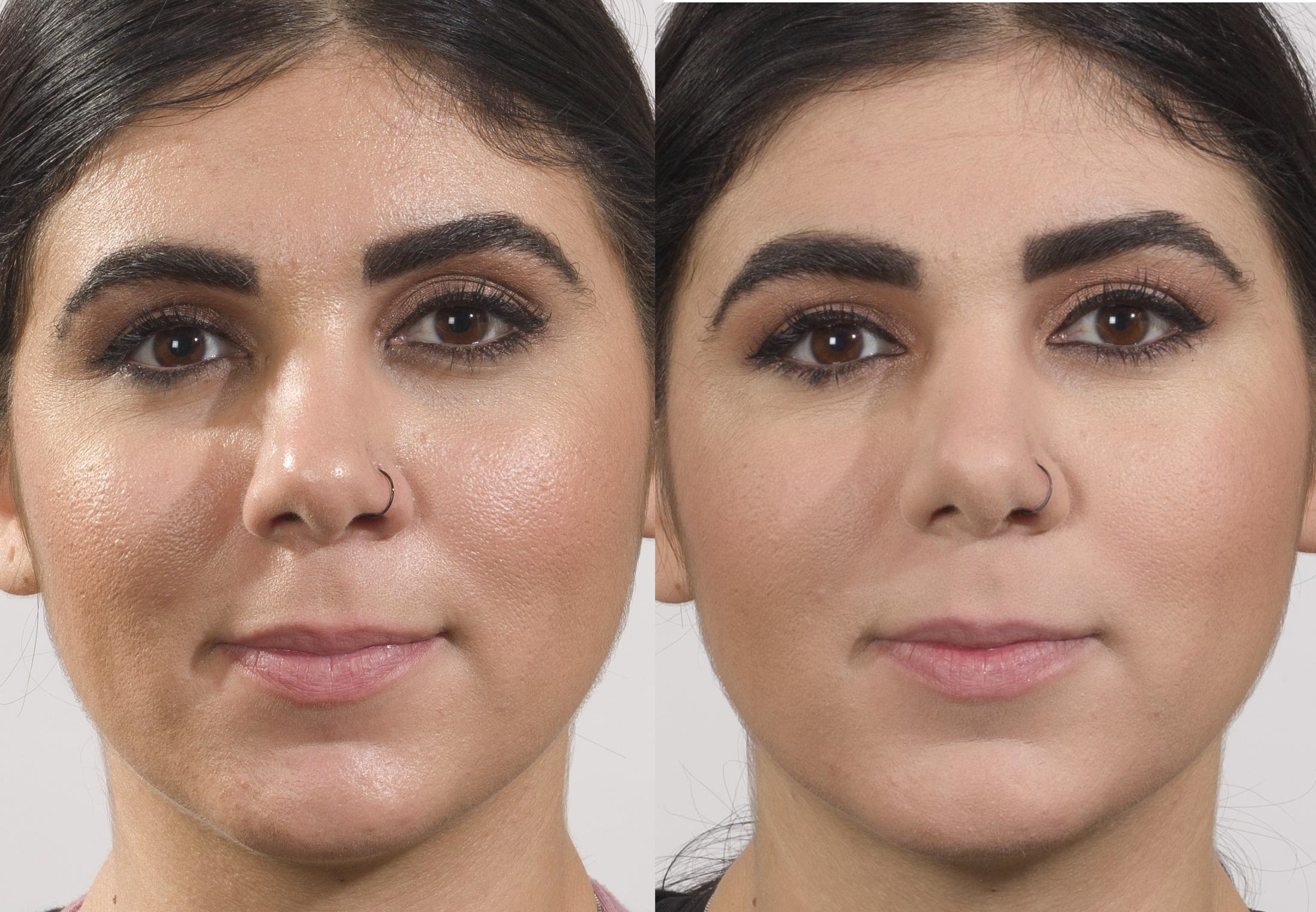
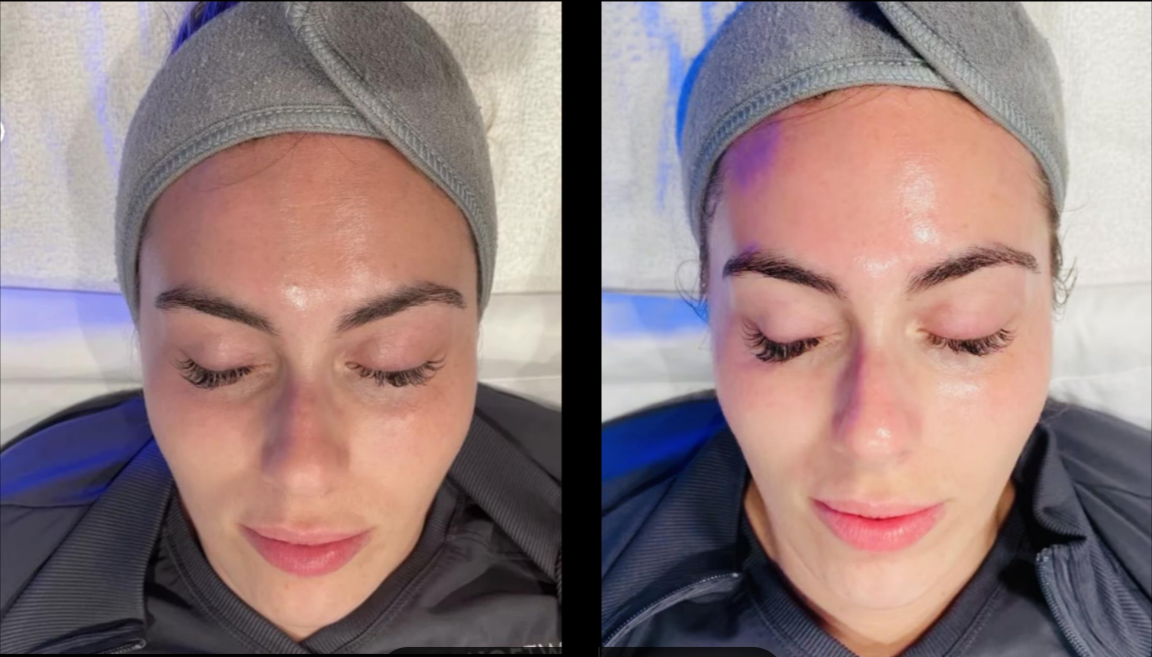
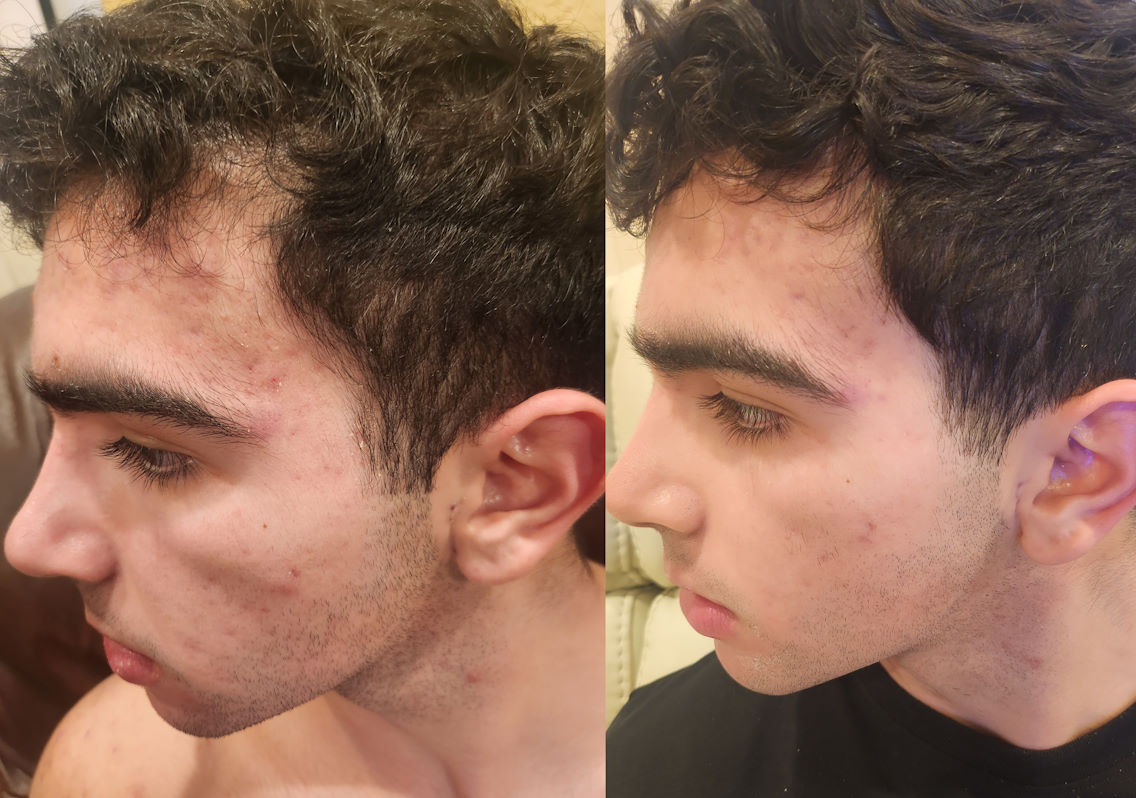
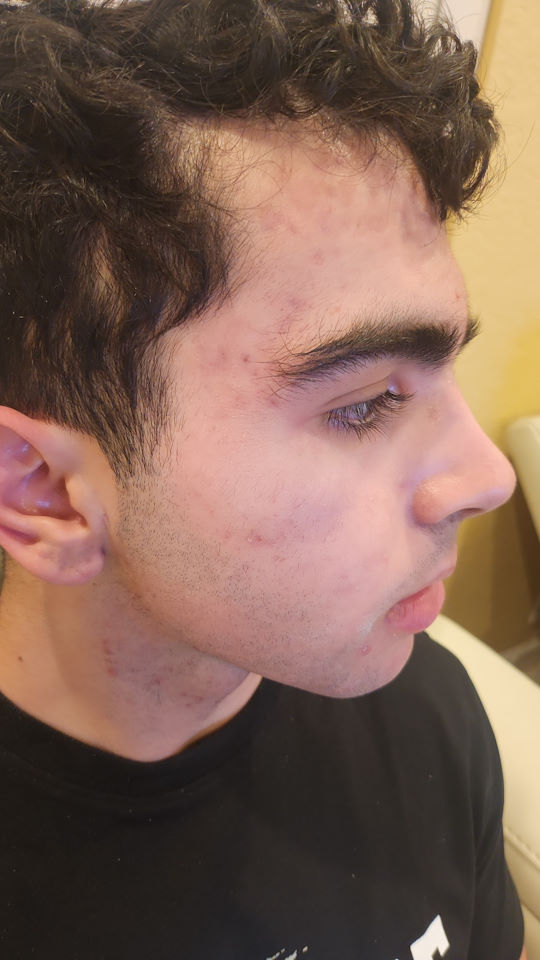
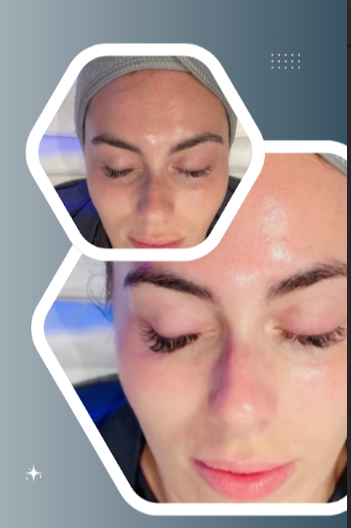
Visual examples of technology results
Bring Fia to market through licensing, integration, or co-development
LCG is seeking beauty, skincare, spa, cosmetic, facial-treatment, and selected medical-use partners interested in evaluating the Fia platform for commercialization.